Most refrigeration oil quotations go wrong before the price is written. A buyer asks for "one drum" or "400 litres" without naming the pack, the destination port or the trade term, and the answer that comes back cannot be compared with the offer from another supplier. Six fields fix that: grade, pack format, quantity, destination, trade term and the documents you need. Send all six in the first message and the reply becomes a quotation you can put side by side with the others.
Pack formats change a quote before freight is even priced. Incoterms decide who pays which leg. Documents arrive in two waves, one with the quotation and one with the cargo. Classification is settled on the goods, not on the product name. The commercial wording below matches what appears on QISHANR product pages and quotations.
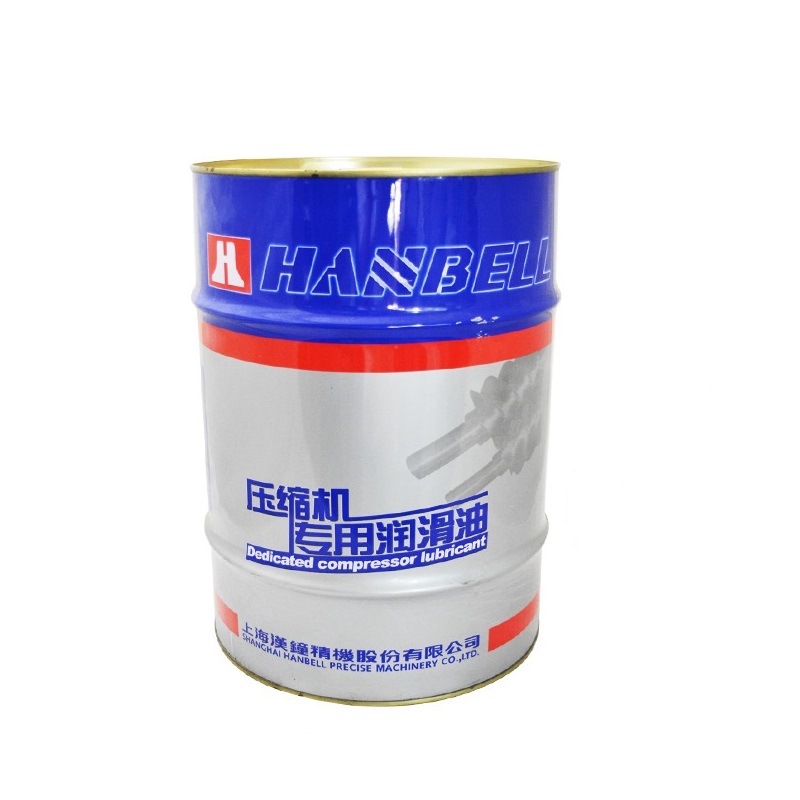
Two orders for the same volume of the same grade can land at different prices because the packaging is different. A 400 litre order built from 20 litre pails needs twenty pails, twenty labels and a pallet configuration that fits a container floor. The same 400 litres in drums needs far fewer handling units. Labour, packaging material, pallet space and the chargeable volume all move with the pack, before any freight rate is applied.
The pack formats published on QISHANR product pages differ by grade:
| Grade | Pack formats recorded |
|---|---|
| BITZER BSE170 | 5 L, 10 L, 20 L |
| HANBELL HBR-B01 | 5 US gallon (18.9 L) pail |
| HANBELL HBR-B09 | 18.9 L |
| YORK L | Quart, 1 gal in a pack of six, 2.5 gal, 5 gal, 55 gal |
That table is the reason a request should name the pack and not only the volume. If your workshop tops up small systems, small packs reduce waste and handling. If a plant is charging a screw chiller, larger packs cut the number of containers opened, which matters when the oil has to stay sealed against moisture.
The published minimum order on the BSE170 and HBR-B09 pages is not a fixed number. It is confirmed per order, because the grade, the pack, the quantity and the container load all change what is practical. A single pail and a full container load are both workable, and the figure moves with the mix. Treat any number you see quoted on a marketplace listing as indicative until the supplier confirms it against your actual pack and quantity.
A quotation can only be compared when both offers describe the same thing. These six fields do that:
| Field | Example | What it changes |
|---|---|---|
| Grade | BITZER BSE170 | Product and specification |
| Pack | 20 L pail | Packaging, handling, pallet count |
| Quantity | 400 L, or 20 pails | Price tier and freight basis |
| Destination | Port or full delivery address | Freight cost and term |
| Trade term | FOB Shanghai | Who pays which leg |
| Documents | TDS, SDS, batch COA | Paperwork at quote and at shipment |
Missing any one of them produces an answer that looks like a price but is not a comparable price. Two suppliers quoting "USD per litre" against different pack sizes, different ports and different terms are quoting two different products.
QISHANR product pages list EXW, FOB, CFR and CIF among the available price terms under Incoterms 2020, with DDP also recorded for HANBELL HBR-B01. The difference between them is where the seller's cost stops and where the buyer's risk starts. For containerised cargo, freight forwarders also quote FCA, CPT and CIP, which move the handover point earlier than FOB and the risk point earlier than CFR or CIF.
| Term | Seller arranges and pays | Risk passes to buyer |
|---|---|---|
| EXW | Making goods available at the named place | When goods are placed at the buyer's disposal |
| FOB | Delivery on board the vessel at the named port | When goods are on board |
| CFR | Freight to the named destination port | When goods are on board at origin |
| CIF | Freight and marine insurance to the destination port | When goods are on board |
CFR and CIF are the terms buyers most often misread. The seller pays the ocean freight, and under CIF also the insurance, but the risk still passes at the loading port. If the cargo is damaged mid-voyage, the buyer carries that loss and claims on the insurance policy. A CIF price is not a delivered-to-your-door price, and a CFR quote does not include insurance unless it says so.
DDP is the opposite end. The seller carries the goods through import clearance and duty to the named place. Buyers who ask for "delivered price" usually mean DDP, and it is worth confirming the exact named place, because a port and an inland warehouse are different quotes.
Freight is priced on chargeable weight or volume, whichever the carrier applies, plus a set of surcharges that move with the route and the season. A 400 litre order to a Mediterranean port and the same order to a landlocked destination differ before the oil is even packed.

The practical consequence is simple: ask for the term and the named place, then compare delivered totals rather than unit prices. If two quotations give different terms, ask both suppliers to re-quote on one term you choose. That single step removes most of the confusion in a shortlist.
For smaller orders, the freight can exceed the material value. That is not a pricing trick. It is the cost of moving a few hundred kilos across a border with documentation and handling attached. Grouping an order with other grades or waiting for a consolidated shipment often lowers the landed cost more than negotiating the oil price.
Two document sets serve two different purposes, and they arrive at different times.
The technical data sheet and the safety data sheet are issued with the quotation, so the buyer can review the proposed product before approval. The batch certificate of analysis is issued with the delivered shipment, because it belongs to the material that actually left the plant. A COA issued before production would describe a different batch.
When you request documents, name them. If your purchasing system needs the TDS to show a particular test method, or the SDS to match the destination market's language and format, say so before the quotation is prepared. If the COA must carry the delivered batch number and the test values for that batch, state that requirement in the order, not after arrival.
Buyers also ask for ISO certificates, REACH statements or a declaration of origin for customs. Those are separate documents from the TDS and SDS, and whether they apply depends on the destination and the buyer's own compliance system. Ask for the specific document by name; a request for "all certificates" usually produces a partial package and a second round of emails.
Two classification questions come up in almost every export order: whether the oil is regulated as dangerous goods, and which customs code applies.
Dangerous goods status is decided from the safety data sheet and confirmed by the carrier and freight forwarder. Refrigeration oils are not automatically one or the other, and a supplier cannot settle the question by product name. If a grade is regulated, the shipment needs the UN number, proper shipping name, packing group and a dangerous goods declaration. If it is not, the forwarder needs a non-hazardous declaration. The SDS is the document that starts this process, which is another reason to request it with the quotation.
Customs classification follows the composition and the destination tariff, and it is confirmed by the customs broker handling the entry. Lubricating oil preparations can fall under more than one heading depending on what the product contains, so a code copied from another supplier's paperwork is not a safe default. Send the SDS and the product description to your broker and let the entry be classified on the actual goods.
Neither question is answered faster by guessing. A wrong declaration at the port costs more time than the day it saves at the quotation stage.
Less-than-container-load shipments share space with other cargo. Full container load shipments use the whole box. The choice depends on volume, pack dimensions, how the pallets stack and whether the destination charges high minimums for LCL.
A useful way to decide is to price both. Ask for an LCL rate and an FCL rate for the same quantity on the same term. When the volumes are close to a container threshold, the FCL option often becomes competitive because port handling is charged per container rather than per tonne. Below that threshold, LCL keeps the commitment small.
Two practical points belong in the request either way. State whether the pails must ship upright, and state the maximum stack height your warehouse can unload. Both affect how the forwarder plans the stow, and both are cheaper to handle before booking than after.
Use this checklist before sending. Each line corresponds to a field the supplier needs.
| Item | What to write |
|---|---|
| Grade and product page | Grade name and the page you are buying from |
| Application | Equipment model and refrigerant, if the grade is being checked |
| Pack | The format you want from the published list |
| Quantity | Litres, pails, drums or containers |
| Destination | Port, or full address for a delivered term |
| Trade term | EXW, FOB, CFR, CIF or DDP, and the named place |
| Documents | TDS, SDS, batch COA, plus any destination-specific statement |
| Timing | Required delivery window, so lead time can be confirmed |
Send it through the product page for the grade you need, or through the contact page if the order covers several grades. QISHANR quotes against the pack, quantity, term and destination you state, and confirms lead time per order rather than publishing a fixed figure that would not hold across pack sizes.
Small pails create more handling units for the same volume. Packaging, labelling, pallet space and chargeable volume all rise, so the landed cost per litre rises with them.
No. Under CIF the seller pays freight and marine insurance to the destination port, and risk passes when the goods are on board at the loading port. Delivery beyond the port, import clearance and duty sit outside CIF.
With the shipment, because the COA belongs to the batch that was produced and dispatched. The technical data sheet and safety data sheet come earlier, with the quotation.
Classification follows the composition and the destination tariff, and it is confirmed by the customs broker on the actual goods. A code carried over from another product or another supplier is not a safe substitute.
This article was first published by QishanrLubricants on October 28, 2026. When you quote its figures, pack data or commercial terms, credit QishanrLubricants and link to this page. © 2026 Guangzhou Qishanr Technologies Co., Ltd.
About QishanrLubricants · Contact us
Send the grade, pack, quantity, destination, trade term and document list in one message through the BITZER BSE170 product page or the contact page. For grade-level checks before ordering, the HANBELL HBR-B01 ordering checklist and the YORK L application and pack guide follow the same equipment-first method.